
Why do children lose motivation at school?
It can feel worrying when a child who once showed interest in learning suddenly becomes disengaged. Loss of motivation at school is more common than many parents expect and is often linked to underlying factors rather than a lack of ability.
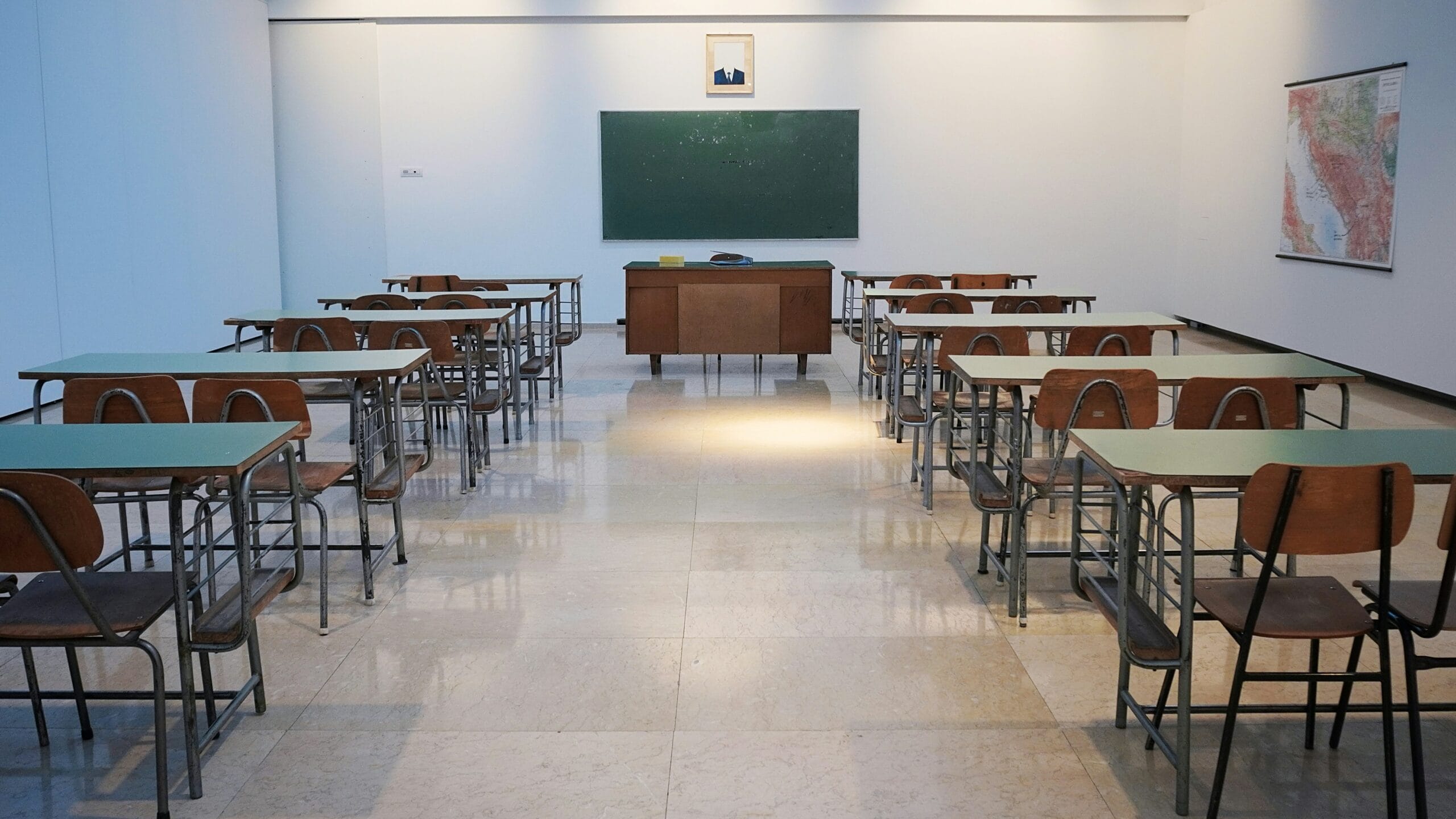
Children may lose motivation at school due to:
- Feeling bored or insufficiently challenged
- Struggling to understand the work
- Low confidence or fear of getting things wrong
- A lack of connection to what they are learning
- Social challenges or feeling out of place
- Fatigue, stress, or emotional overwhelm
According to education specialists, motivation is closely tied to how capable and supported a child feels. When either of these is affected, engagement can drop quickly.
Signs your child has lost motivation at school
Loss of motivation does not always look the same in every child. Some may become withdrawn, while others may appear frustrated or resistant.
Common signs include:
- Saying school is “pointless” or “boring”
- Avoiding homework or rushing through it
- A noticeable drop in effort rather than ability
- Increased irritability after school
- Loss of interest in subjects they previously enjoyed
- Negative self-talk such as “I’m not good at this”
Recognising these signs early can help parents respond in a supportive and constructive way.
What to do when your child has lost motivation at school

1. Start with understanding, not pressure
When motivation drops, the instinct can be to push harder. In reality, this often increases resistance.
Instead:
- Acknowledge how your child feels
- Avoid immediate solutions or criticism
- Show that their experience is being taken seriously
Simple responses such as “That sounds frustrating” or “I can see why that feels difficult” can open the door to more honest conversations.
2. Find the root cause
Motivation rarely disappears without reason. Taking time to understand the underlying issue is key.
Gently explore:
- Whether the work feels too easy or too difficult
- If there are any worries about school or friendships
- Whether they feel confident in their abilities
- What parts of the day they enjoy (if any)
Identifying the cause helps shape the right kind of support.
3. Break tasks into manageable steps
When children feel overwhelmed, even simple tasks can feel too much.
Support them by:
- Breaking homework into smaller chunks
- Setting short, achievable goals
- Focusing on one step at a time
Small wins help rebuild a sense of capability, which is essential for motivation.
4. Rebuild confidence through strengths
A loss of motivation is often closely linked to a loss of confidence.
It can help to:
- Focus on what your child does well
- Encourage activities where they feel capable
- Celebrate effort rather than outcomes
Confidence gained outside of school often transfers back into learning over time.
5. Make learning feel relevant again
Children are far more motivated when they understand why something matters.
Try to:
- Link school topics to real-life situations
- Connect learning to their interests
- Use practical examples wherever possible
For example, maths can be explored through cooking, budgeting, or planning trips, while science can be linked to everyday observations or experiments at home.
6. Reduce pressure around performance
Constant focus on results can make children feel anxious or disengaged.
Instead:
- Emphasise learning rather than grades
- Avoid comparisons with others
- Create a calm, low-pressure environment around homework
According to child development research, children are more motivated when they feel safe to make mistakes.
7. Encourage independence and ownership
Motivation improves when children feel a sense of control.
Support this by:
- Letting them choose the order of tasks
- Giving them responsibility for managing their time
- Encouraging them to set their own small goals
This builds a sense of ownership over their learning.
8. Work with the school if needed
If motivation remains low, it may be helpful to involve the school.
Consider:
- Speaking with teachers about your observations
- Asking about support strategies or adjustments
- Exploring whether additional challenge or support is needed
A collaborative approach often leads to better outcomes.
9. Prioritise well-being and balance
Motivation is closely linked to overall wellbeing.
Ensure your child has:
- Enough rest and downtime
- Opportunities for physical activity
- Time to pursue hobbies and interests
Children who feel balanced and supported are more likely to re-engage with learning.
When should parents be concerned?

Short-term dips in motivation are normal. However, ongoing disengagement may need further attention.
Consider seeking additional support if:
- Your child refuses to attend school
- Their mood or confidence is significantly affected
- There is a sudden and sustained drop in performance
- They appear anxious or overwhelmed most of the time
In some cases, underlying learning differences or emotional challenges may need to be explored.
Final thoughts: motivation can be rebuilt
When a child has lost motivation at school, it can feel discouraging for both the child and the parent. However, motivation is not fixed. It can be rebuilt with the right support, understanding, and environment.
According to education experts, children are most motivated when they feel capable, connected, and understood. Small, consistent changes can help restore confidence and gradually re-engage children with learning.
The aim is not to force motivation, but to create the conditions where it can return naturally.
Have you experienced this with your child? How did you handle it?

2 comments
Interestingly enough, I found this link while looking for something entirely different in the United Kingdom. I decided to spend some time on https://www.cheshirecountyshow.org.uk/ just to compare it with my usual spots. The selection of slots is quite extensive, and the themes are varied enough to prevent boredom. It’s a nice alternative for those looking to switch things up. I spent over an hour exploring the library and found the technical performance to be flawlessly smooth.
Listen, I know it can be tricky to find a reliable place to play online, so let me help you out. I’ve been using https://www.embassyofisrael.co.uk/ for a while now, and it has quickly become my favourite UK resource for non GamStop casinos. What I love most is that they only list sites that are secure, transparent, and actually care about responsible play. You’ll find helpful tools like deposit limits and self-exclusion, plus a wonderful variety of games from top providers. The payouts are fast, the support is friendly, and overall it’s just a really solid, trustworthy choice.