
Why education needs to evolve
Education has always been about preparing children for the future. The challenge now is that the future is changing more quickly than traditional systems can keep up with.
Children are growing up in a world shaped by technology, shifting career paths, and constant access to information. In this environment, memorising facts is no longer enough. Children need to be able to think, adapt, and apply what they know in real situations.
Many parents are beginning to notice a gap between what school focuses on and what children may actually need later in life.
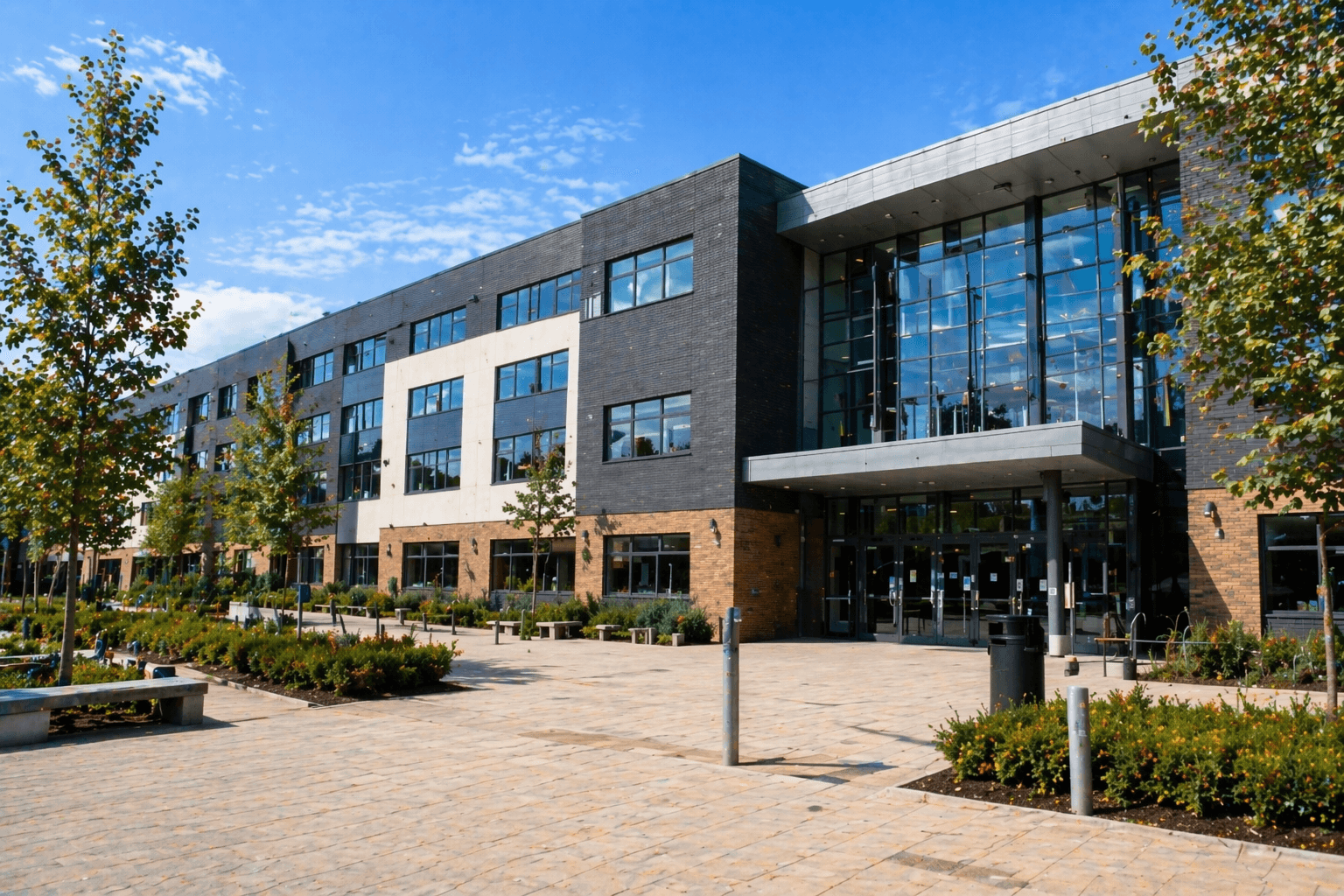
The growing gap between school and real life
In many schools, there is still a strong focus on exams, grades, and standardised learning pathways. While these provide structure, they do not always reflect how the world outside school works.
In reality, success is often linked to:
- Problem-solving
- Communication
- Creativity
- Adaptability
When children cannot see how their learning connects to real life, motivation can begin to drop. This is one of the reasons some children feel disengaged, even if they are capable.
What education should look like in 2026
Education does not need to be completely reinvented, but it does need to shift in meaningful ways.
A stronger focus on real-world skills
Learning is more effective when it feels relevant. In the future, education is likely to place more emphasis on applying knowledge rather than simply remembering it.
Children may spend more time:
- Solving practical problems
- Working on projects
- Exploring how subjects link to everyday life
This approach helps children understand why their learning matters.
More personalised learning
Children learn at different speeds and in different ways. A more modern system would recognise this more fully.
Rather than expecting all children to follow the same path at the same pace, there may be greater flexibility. Some children may need more time to build confidence, while others may be ready for additional challenge. Personalised learning can help maintain both engagement and self-belief.
If your child feels left behind by the structured pace of the classroom environment, one-on-one tutoring offers really personalised learning. Sherpa Tutors provides high-quality online tutoring, with a strong network of qualified teachers, examiners and tutors with SEN experience, so lessons can be highly personalised and adapted to your child’s individual style of learning.
Teaching children how to think
With so much information available, knowing how to think is becoming more important than knowing what to remember. Children need to learn how to:
- Ask questions
- Evaluate information
- Consider different perspectives
- Make informed decisions
These skills are essential in a world where information is constantly changing.
Creativity as a core part of learning
Creativity is often associated with the arts, but it is also a key part of problem-solving and innovation. A modern education system would give children more opportunities to:
- Explore ideas
- Experiment
- Develop original thinking
This helps children become more confident and adaptable learners.
Greater emphasis on emotional wellbeing
There is increasing recognition that wellbeing and learning are closely linked. Children who feel:
- Stressed
- Tired
- Overwhelmed
often find it harder to engage with learning. Future education models are likely to place more importance on supporting emotional well-being alongside academic development.
Meaningful use of technology
Technology is already part of children’s lives. In the future, the focus is likely to be on using it more effectively as a learning tool. This includes helping children:
- Use technology to explore and create
- Think critically about what they see online
- Understand how digital tools can support learning
Used well, technology can enhance rather than replace traditional learning.
What this means for parents
While these changes may take time to fully appear in schools, parents can begin to support these skills now. Encouraging curiosity, allowing children to explore their interests, and connecting learning to real life can all help.
Focusing on how children approach challenges, rather than just the outcome, can also make a difference. Confidence, resilience, and problem-solving skills are developed over time, often outside formal lessons.
Final thoughts
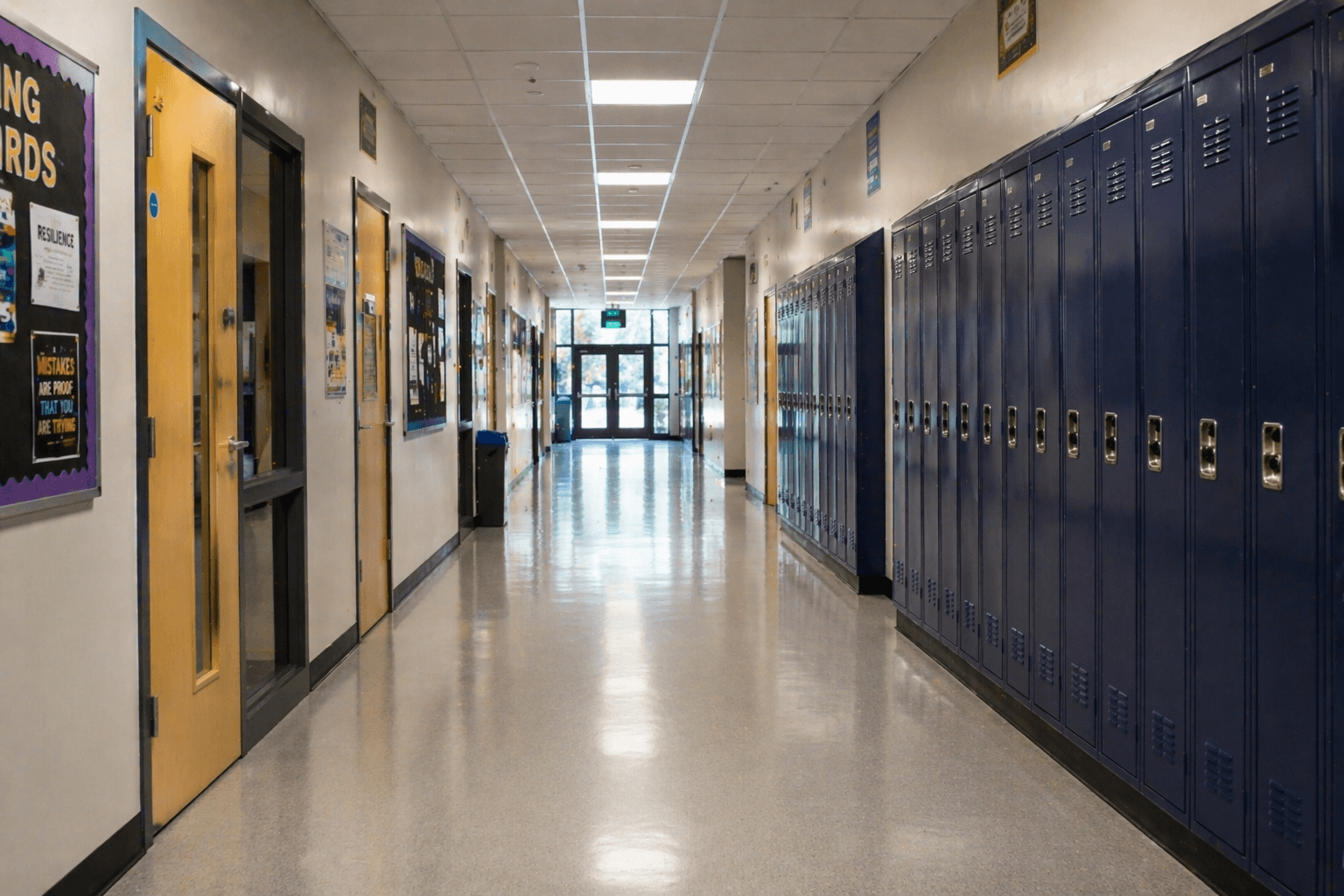
Education in 2026 is likely to look different in a number of ways, even if change is gradual. The focus is shifting towards skills that help children navigate an uncertain and fast-changing world.
For parents, the aim is not to predict every change but to support children in developing the confidence and ability to learn, adapt, and think for themselves.

1 comment
It’s interesting to see that creativity is highlighted as a core part of learning. I think giving children more room to explore and experiment can really enhance their problem-solving abilities. When I imagine a child experimenting with a science kit at home, I can’t help but wonder how much more engaging and practical this approach must feel compared to traditional methods!