
Warmer weather brings plenty of opportunities for outdoor adventures, family walks, garden play, camping trips and holidays abroad. Unfortunately, it also marks the start of bite and sting season.
From itchy mosquito bites and painful horsefly attacks to wasp stings and tick bites, insects can quickly turn a relaxing day outdoors into an uncomfortable experience. For some people, reactions can be more severe, leading to significant swelling, disrupted sleep, scratching-related skin damage, and even infections.
Understanding how to reduce the risk of bites and stings, as well as knowing how to deal with them when they happen, can make a huge difference to your family’s comfort throughout the warmer months.
Why Do Some People Get Bitten More Than Others?
If you’ve ever noticed that one family member seems to attract every mosquito in the area while others remain untouched, you’re not imagining things (it’s normally me in our house).
Research suggests that several factors can influence how attractive someone is to biting insects, including:
- Body temperature
- Carbon dioxide output
- Skin bacteria
- Blood type
- Sweat composition
- Clothing colour
Children often spend more time running around outdoors, making them especially vulnerable to bites and stings during the summer months.
The Most Common Culprits
Mosquitoes
Mosquito bites are among the most common insect-related complaints during summer. They typically cause:
- Red, itchy bumps
- Swelling
- Irritation lasting several days
Scratching can make symptoms worse and increase the risk of infection.
Horseflies
Horsefly bites are often far more painful than mosquito bites. They can result in:
- Significant swelling
- Sharp pain
- Bruising
- Extended healing times
Wasps and Bees
Unlike mosquitoes, stinging insects inject venom into the skin. Reactions can range from mild discomfort to more significant swelling. In rare cases, severe allergic reactions can occur.
Ticks
Ticks are increasingly common in many parts of the UK, particularly in long grass, woodland and heathland. Prompt removal is important, as some ticks can carry diseases, including Lyme disease.
Why Bites and Stings Can Be More Than Just Annoying
Many people think of insect bites as little more than an irritation, but they can have a wider impact on family life.
Children who are repeatedly bitten may:
- Struggle to sleep because of itching
- Become distressed by swelling and discomfort
- Scratch until the skin breaks
- Develop secondary skin infections
For parents, bites and stings can quickly become a recurring summer challenge, particularly during holidays when exposure to insects is often higher.
Practical Ways to Reduce the Risk
While it’s impossible to eliminate every insect encounter, several simple measures can help reduce the likelihood of bites and stings.
Cover Up Where Possible
Lightweight long sleeves and trousers can provide a useful barrier, particularly during early mornings and evenings when mosquitoes are often most active.
Avoid Standing Water
Mosquitoes breed in stagnant water, so regularly emptying paddling pools, buckets and plant saucers can help reduce local populations.
Be Careful Around Flowering Plants
Wasps and bees are naturally attracted to flowers and sweet-smelling food and drinks. Encourage children to stay calm if insects are nearby rather than swatting at them.
Use Appropriate Repellents
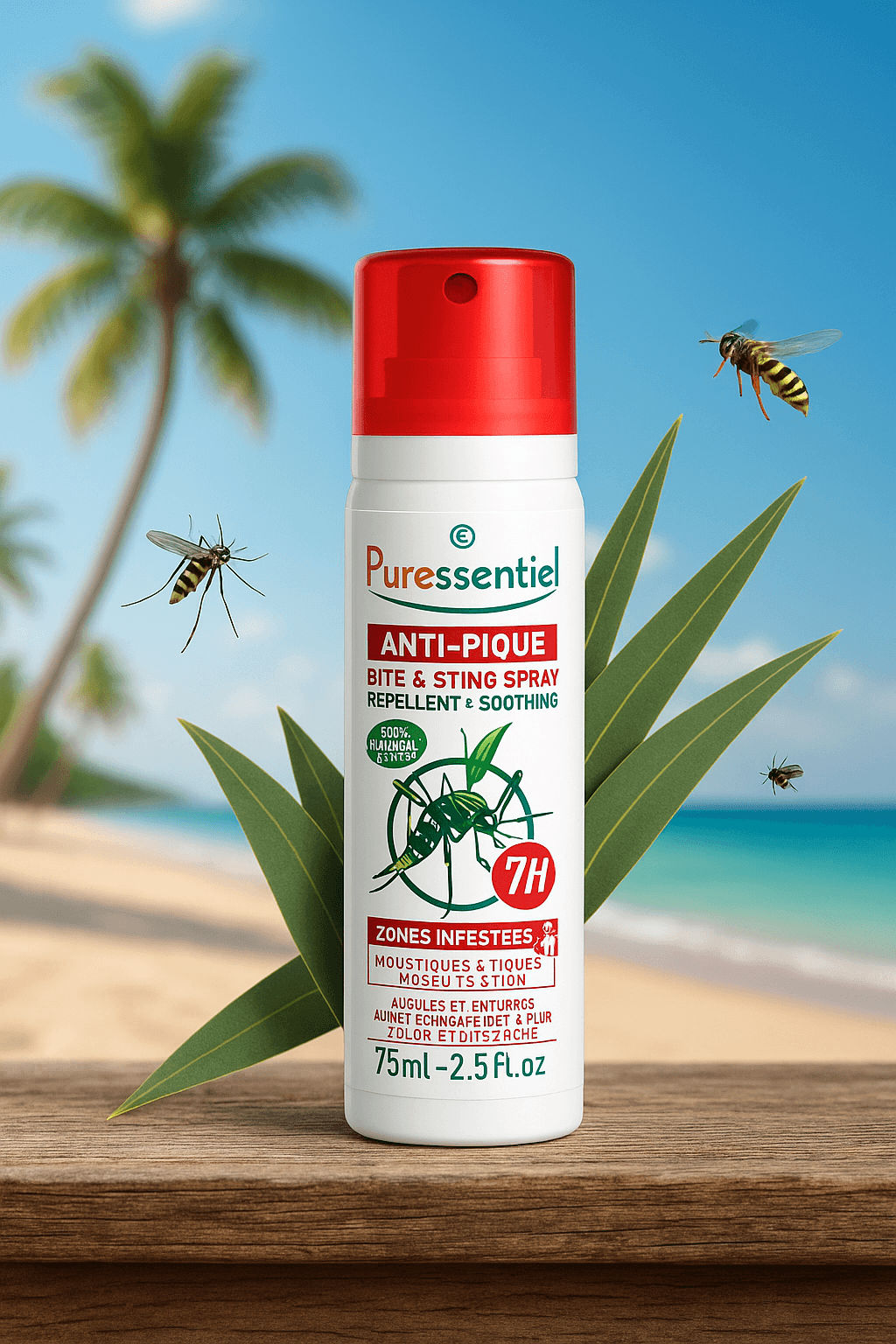
Repellents remain one of the most effective ways to reduce insect bites when spending time outdoors. According to Puressentiel, their Bite & Sting range uses a plant-derived active ingredient based on lemon eucalyptus oil to help repel mosquitoes, ticks and other biting insects. Laboratory testing has shown protection lasting for several hours against a range of biting insects.
What to Do If You Get Bitten
Even with the best prevention strategies, bites and stings can still happen.
When they do:
- Clean the area gently.
- Apply a cold compress if swelling occurs.
- Avoid scratching.
- Monitor for signs of infection or unusual reactions.
- Seek medical advice if symptoms become severe.
Having a product that both helps deter insects and soothes irritated skin can be particularly useful when travelling or spending extended periods outdoors.
A Practical Addition to Your Summer Kit
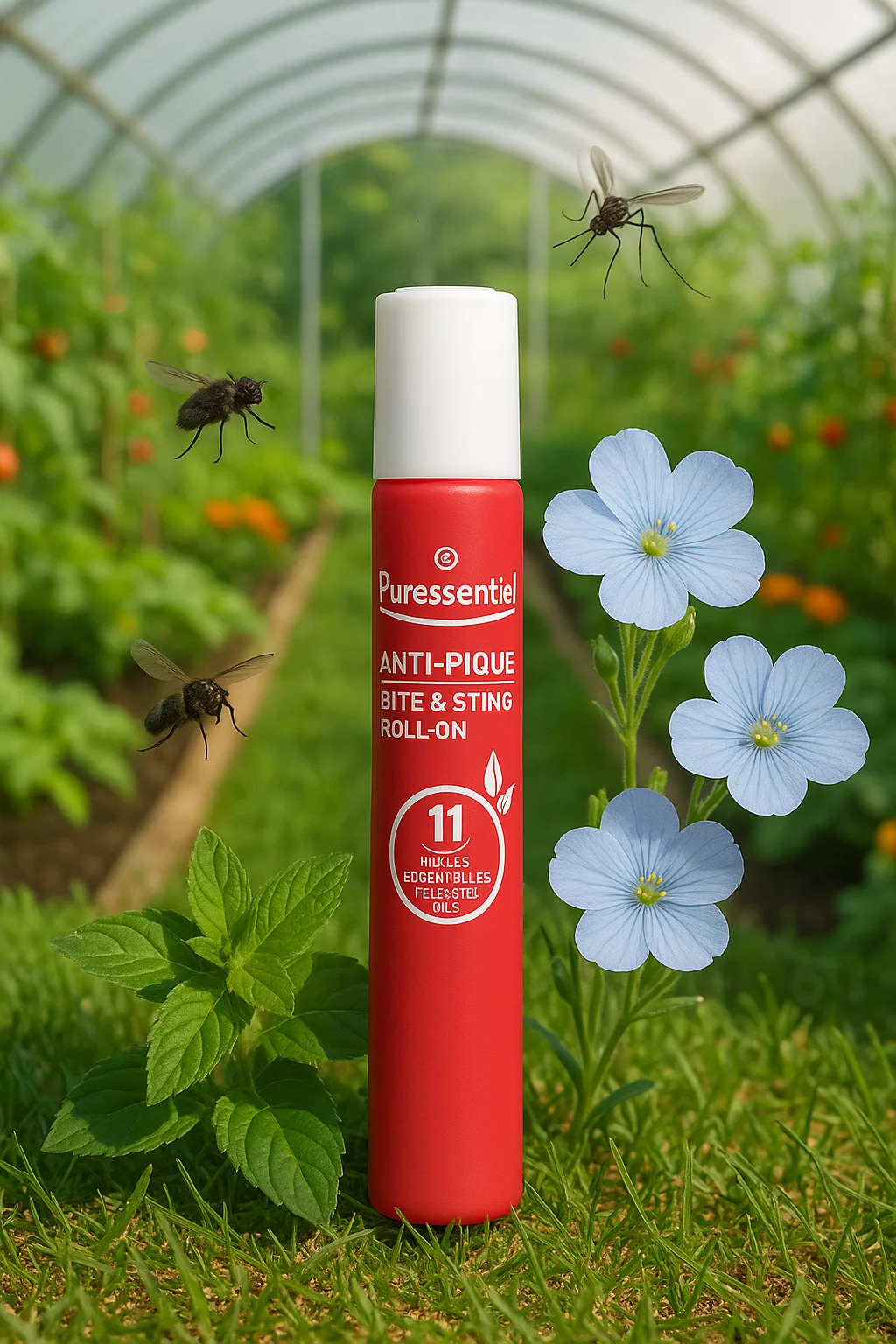
The Puressentiel Bite & Sting range includes a variety of products designed to support families during insect season, including repellent sprays, sensitive skin options, family formulations and products designed for travel. Many combine repellent and soothing actions in a single product, helping to both reduce bites and calm irritated skin when bites do occur. The range uses plant-based active ingredients and essential oils rather than DEET-based formulations.
This can be particularly useful for:
- Family holidays
- Camping trips
- Garden play
- Outdoor sports
- Woodland walks
- Travelling to mosquito-prone destinations
Enjoying the Outdoors With Confidence
Insects are a natural part of spending time outdoors, and avoiding nature altogether isn’t the answer. Children benefit enormously from outdoor play, exploration and adventure. The key is being prepared.
With sensible precautions, appropriate clothing, awareness of higher-risk environments and effective bite prevention strategies, families can spend more time enjoying summer and less time dealing with itchy, uncomfortable bites and stings.
A little preparation before heading outdoors can make all the difference between a memorable family adventure and a week spent scratching.

1 comment
The point about treating clothing as the first line of defence is the one people skip. We started using a repellent on the pram cover rather than the kids and it made evenings outside much easier.