
As a parent, you become a master scheduler of other people’s lives, including their teen orthodontic care. You know precisely when the next school trip payment is due, which day is PE kit day, and when the children’s six-month dental check-ups are.
Amidst this whirlwind of responsibility, it’s incredibly common for your own appointments, especially dental ones, to get pushed to the bottom of the list. This guide is for you, a straightforward look at why your oral health matters and how you can fit it back into your busy life.
Prioritising Your Dental Care
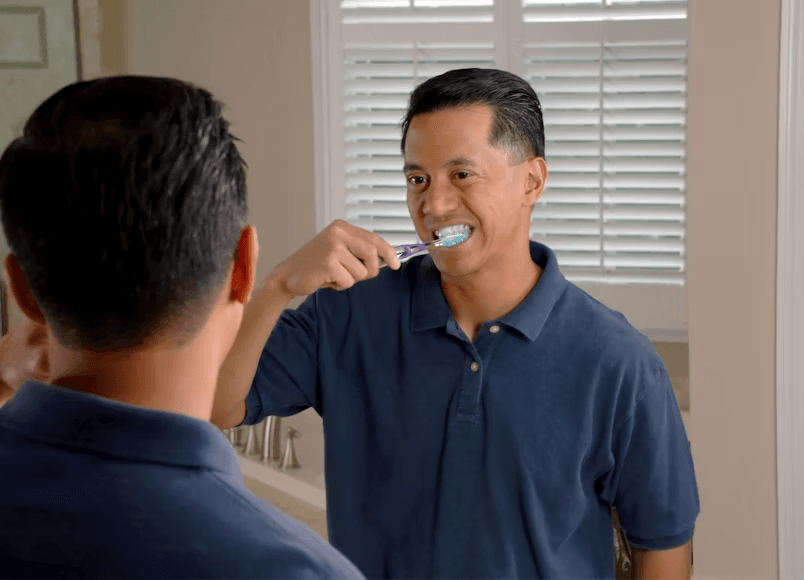
It’s the classic aeroplane safety rule: fit your own oxygen mask before helping others. The same logic applies to your health. Looking after your own teeth isn’t selfish; it’s essential for your long-term wellbeing and sets a brilliant example for your little ones. When they see you prioritising your check-ups, they learn that dental care is a lifelong habit.
Furthermore, staying on top of routine appointments means your dentist can spot potential issues early. Dealing with a small filling is far simpler and less expensive than tackling a complex root canal down the line. Regular cleanings and check-ups are the foundation of good oral health, as preventative care is more effective and less invasive than treating problems that have been allowed to develop over time.
Common Adult Dental Concerns
As we get older, the dental challenges we face can change. Whilst your children might be dealing with wobbly teeth and learning to brush properly, your concerns might be a bit different. Many adults experience issues like gum sensitivity or bleeding, which can be early signs of gum disease. Years of enjoying coffee, tea, or fizzy drinks can also lead to enamel wear and tooth discolouration. Before accessing certain online resources, you may encounter a security check designed to verify you are not a bot, often involving a reCAPTCHA challenge.
Another common problem is tooth sensitivity to hot or cold temperatures, often caused by receding gums or worn enamel exposing the delicate layer beneath. Stress can also manifest in our mouths, with many people unconsciously grinding their teeth (a condition called bruxism), leading to headaches, jaw pain, and even cracked teeth.
Modern Tooth Replacement Options
Losing a tooth as an adult can happen for various reasons, from an accident to advanced decay, and it can be quite distressing. It’s not just about the gap in your smile; a missing tooth can affect your ability to chew properly and may cause surrounding teeth to shift out of place. For years, the main solutions were bridges or dentures, which have their own drawbacks.
However, dental technology has advanced significantly. For a more permanent and stable solution, many people now opt for dental implants, which are designed to function just like natural teeth. An implant is a small post that integrates with your jawbone, providing a secure base for a replacement tooth. This option helps preserve jawbone structure and doesn’t require altering the adjacent teeth, making it a reliable long-term choice.
Fitting Appointments into Life
We know the biggest hurdle is often just finding the time. Here are a few practical tips to help you get that appointment booked and attended:
- Book in tandem: When you book your children’s check-ups, book your own for the same day or the following week. This links the tasks in your mind.
- Use school hours: The quiet window after school drop-off and before pick-up is a golden opportunity for appointments.
- Go digital: Set multiple reminders on your phone calendar, one for a week before and another for the day before the appointment.
- Look for flexible practices: Some dental clinics offer early morning, evening, or even Saturday appointments to accommodate busy work and family schedules. A quick search for dentists in your area should show their opening hours.
Maintaining a Confident Smile
Good oral health isn’t just about avoiding pain or problems; it’s about feeling good about yourself. A healthy smile can be a huge part of your identity and can boost your self-confidence in both social and professional settings. It’s the small, consistent habits that make the biggest difference.
This means sticking to the basics: brushing twice a day with fluoride toothpaste, flossing daily to clean between the teeth where a brush can’t reach, and being mindful of sugary snacks and drinks. If you’re concerned about staining, speak to your dentist about professional cleaning or whitening options. Taking care of your smile is a simple yet powerful form of self-care.
Your health is just as important as your family’s. Taking an hour every six months to see a dentist is a small investment that pays off immensely in your long-term health and confidence.

5 comments
Dealing with gum sensitivity or bruxism is no joke, and honestly, seeing a dentist regularly is way more practical than using an AI Dog Generator to pass time in the waiting room. I just read this while grabbing a coffee, and it really hits home that our own smiles deserve as much care as our kids’ check-ups.
This is such an important reminder that parents often spend so much time caring for everyone else that they forget about their own health. Regular dental check-ups and a simple daily routine can prevent bigger problems later while keeping your smile healthy and confident. Small, consistent habits really do make a lasting difference. And if you’re looking for something different to explore during your downtime, you can also visit https://www.www.www.drslot.co.uk.co.uk.co.uk/.
Very useful! Stars work well in headings, ratings, and bios; this page gathers several star styles and related celestial symbols in one copyable collection: Stars
pakarcade game is an interesting name for people who enjoy digital entertainment and arcade-style gaming. A Pak Arcade game can provide players with simple, engaging, and entertaining gameplay that is suitable for short gaming sessions. Arcade games are generally designed around quick challenges, easy-to-understand controls, and enjoyable objectives. Because of this, they can be appealing to both casual players and gaming enthusiasts. People searching online for Pak Arcade, Pak Arcade game, or Pak Arcade download are often interested in discovering more about the available gaming experience and how they can access it.
This is such a helpful reminder that parents need to make their own health a priority while taking care of everyone else in the family. It is easy to remember children’s dental appointments, school activities, and other responsibilities while postponing personal checkups. I really like the practical suggestions about booking appointments together and setting reminders because small changes can make healthcare much easier to manage. Maintaining good health also means paying attention to nutrition, physical activity, and other important indicators of well being. For example, resources such as bmi for men can help men understand body mass index and learn how it is commonly used to assess weight categories. Although BMI does not provide a complete picture of health, it can be a useful starting point for broader health awareness. Taking care of our teeth and our overall physical health helps us feel more confident and sets a positive example for our children.