
How to Find Toys Kids Actually Want This Year
Many parents know the disappointment of buying a toy that gets ignored almost right away. You put in the effort to research, compare prices and wrap it nicely, only for your child to become more interested in the box it came in.
Finding toys children genuinely want takes more than guessing. It helps to pay attention to what they already enjoy, consider their age and stage of development, and think about how much play value a toy can offer over time.
A good toy should do more than grab a child’s attention for a few minutes. Ideally, it should suit their interests, encourage meaningful play and remain engaging beyond the initial excitement.
Match the Toy to Their Age and Stage
Age guidance can be a useful starting point when choosing toys. Something that feels too simple may lose a child’s interest quickly, while something that is too complicated can become frustrating.
Many toy retailers organise their ranges by age group to make browsing easier. Babies and toddlers may enjoy sensory toys, stacking sets and soft figures, while preschoolers might prefer imaginative play, simple puzzles or arts and crafts. Older children may be interested in board games, building sets, creative kits or hobby-based toys.
Online retailers also often organise toys by interest as well as age. Australian retailer Mr Toys, for example, uses both categories to help shoppers narrow their options.
Age recommendations are useful, but they should not replace what you know about the individual child. Two children of the same age can have completely different interests, abilities and ways of playing.
Pay Attention to What They Already Love
One of the easiest ways to understand what a child might enjoy is to notice what they choose during free play. Do they spend time building things? Do they enjoy drawing, pretending, solving puzzles or being active?
Children often reveal their interests long before birthdays or other gift-giving occasions arrive. A child who regularly draws may enjoy new art materials. Someone fascinated by animals might prefer figurines, puzzles or nature-themed toys. A keen builder might get more use from construction sets than from the latest character toy.
Open-ended questions can help too. Instead of simply asking, “What do you want for your birthday?” try asking, “What would you like to learn how to do?” or “What would be fun to make?”
The answers can reveal interests that might not appear on a traditional wish list.
Consider the Play Value, Not Just the Price Tag
A higher price does not automatically mean a better toy. Some of the toys children return to most often are relatively simple and can be used in several different ways.
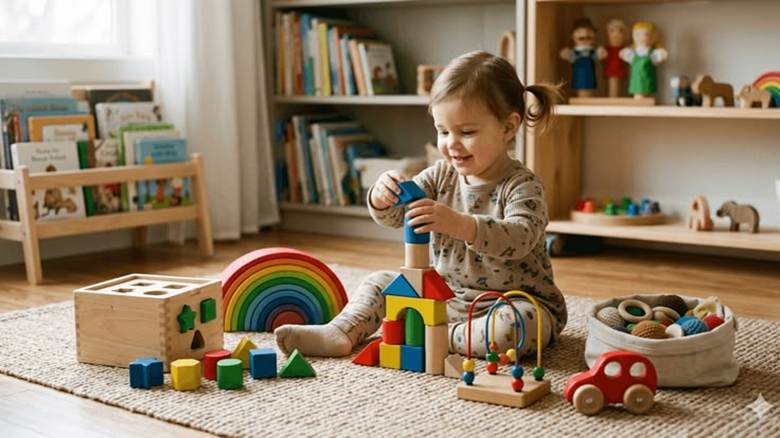
Play value is about how much use a child can get from a toy over time. Building blocks, for example, can offer lasting value because children can use them differently as their skills and ideas develop. Art materials can support increasingly complex projects, while dress-up clothes can inspire different characters and stories.
This versatility can make these toys better long-term choices than products with only one way to play.
Research on play and child development links play with skills such as creativity, problem-solving and emotional regulation. Open-ended activities can also give children more freedom to explore ideas and create their own ways of playing.
Before buying, consider how many different ways the toy could realistically be used. A toy that allows children to experiment, build, imagine or create may stay interesting longer than one with a very limited function.
Check What Is Trending, But Stay Selective
Trends can provide useful clues about what children are currently interested in, but they should not make the decision for you.
For 2026, industry trend reports highlight areas such as creative building and making, collectables and self-expression, low-tech play, nostalgic toys and products connected to popular fandoms.
These reports can help parents understand the types of toys attracting attention, but popularity alone does not tell you whether a particular product is well made or suitable for your child.
A toy can be everywhere on social media and still be a poor match for someone who has little interest in it. Use trends as inspiration, then compare them with what you already know about the child’s personality and preferences.
Ask the Right People
Sometimes useful recommendations come from people who regularly see children playing.
School groups, parenting communities and online forums can offer first-hand feedback about which toys children continue to use after the initial excitement wears off. Reviews from other parents can also highlight practical details that product descriptions may not cover, such as whether something is difficult to assemble, easy to store or quickly becomes repetitive.
Teachers and childcare educators may also have useful suggestions, particularly for younger children. They regularly observe how children interact with different activities and materials.
For older children, involving them in the decision can make choosing easier. Creating a wish list together or having a casual conversation about their hobbies can provide much clearer direction than simply trying to surprise them.
Make Gifting Feel Intentional
Choosing the right toy is less about finding the most expensive or most popular option and more about understanding the child who will receive it.
Consider their age, interests and how they naturally like to play. Look for toys that give them room to explore rather than relying only on trends or impressive packaging.
When a gift reflects something a child genuinely enjoys, it is much more likely to become part of their everyday play rather than something that gets forgotten at the bottom of the toy box.

1 comment
The advice to watch what children already enjoy during free play is especially practical, and I liked the point that open-ended toys can stay interesting because children can use them in different ways as their skills develop. That idea of choosing things around genuine interests also makes kyrmag feel like a natural place to explore alongside other interests